Moral Courage: Standing Up for Your Values When It Matters
Have you ever known the right thing to do but hesitated to take action? You see a colleague being treated unfairly, notice a small error that could become a big problem, or feel a conversation shifting toward harmful gossip. That moment when you know the right thing to do but hesitate to act? That's when moral courage is put to the test.
Moral courage is the willingness to align your actions with your ethical principles, even when it involves personal risk, discomfort, or social pressure. It isn't an innate trait gifted to a select few; it is a skill that can be understood, practiced, and strengthened over time. Understanding your own ethical framework is the first step toward building this crucial quality.
This guide will explore the psychology behind moral action and inaction. We'll provide science-backed strategies to help you close that gap and act with integrity when it matters most. To begin understanding your unique ethical profile and discover your courage strengths, you can start our Moral Test.

Understanding Your Moral Courage Profile
Developing moral courage starts with self-awareness. You need to know what your core values are before you can stand up for them. What principles guide your sense of right and wrong? Is it fairness, loyalty, compassion, or something else entirely? Acknowledging your foundational beliefs provides the anchor you need when facing difficult ethical choices. Without this clarity, it's easy to be swayed by the opinions of others or paralyzed by indecision.
How Your Moral Test Reveals Your Courage Strengths
Your ethical compass is unique. The Moral Test is designed to help you map it out. Developed by a team of ethicists, psychologists, and AI experts, our assessment doesn't just give you a simple score. Instead, it provides a detailed, personalized analysis of your moral decision-making style based on established ethical frameworks.
When you participate in our thought-provoking scenarios, you'll discover how you prioritize different moral foundations. These include care, fairness, loyalty, authority, and sanctity. For example, your results might show a high inclination toward "Care," suggesting your moral courage is most easily activated when you see someone at risk of harm. Conversely, you might score highly on "Fairness," indicating you are most likely to act when you witness injustice or inequality.

This isn't about judging your values as "good" or "bad." It's about giving you the data to understand your own ethical wiring. By discovering which principles you naturally champion, you can better anticipate situations where you'll feel compelled to act and identify areas where you may need to build more intentional courage. A deeper understanding of your moral profile is the foundation for effective ethical bravery tips.
The Psychology Behind Moral Inaction
Why do we so often fail to act, even when we know we should? This phenomenon, known as moral inaction, is not usually a sign of a flawed character. Instead, it's often driven by powerful psychological and social forces that are difficult to resist.
One major factor is the diffusion of responsibility. When others are present, we assume someone else will intervene, which lessens our personal sense of duty. Fear of social consequences is another powerful inhibitor. We worry about being ostracized, losing our job, damaging relationships, or being seen as a troublemaker. The human brain is wired for social belonging, and the threat of exclusion can feel more immediate and potent than the abstract call of a moral principle. Understanding these internal barriers is the first step in learning how to overcome them.
Overcoming the Bystander Effect in Everyday Life
The bystander effect represents one of the most well-documented barriers to moral courage. It describes how individuals are less likely to help a victim when other people are present. The more people who witness an event, the less likely it is that any one of them will step up. This isn't because people are apathetic; it's because responsibility becomes diluted across the group. Overcoming this powerful social force requires awareness and a clear plan of action.
Recognizing When You're in a Bystander Situation
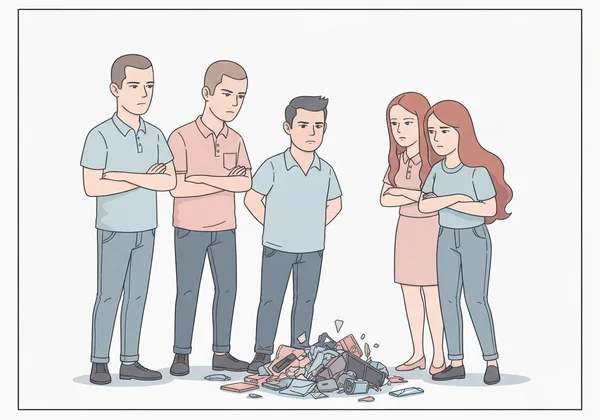
The first step is to recognize the bystander effect as it's happening. These situations often unfold quickly and are marked by a sense of collective paralysis. You might be in a meeting where a questionable decision is being made, and you can see others are uncomfortable, yet no one speaks. Or you might witness a microaggression in a social setting, and everyone looks away, hoping it will just blow over.
Key signs include:
- A group-wide hesitation or silence.
- People looking to others for cues on how to react.
- A shared but unspoken feeling that something is wrong.
- An internal voice telling you, "Someone else will probably handle this."
If you feel this internal hesitation and notice others are also passive, you are likely in a bystander situation. Acknowledging this is your cue to shift from a passive observer to an active participant.
Three Steps to Break the Bystander Mentality
Breaking free from the bystander effect doesn't always require a grand, heroic gesture. It often involves small, deliberate actions that disrupt the group's passivity. Here are three practical steps:
-
Assume Personal Responsibility: The moment you recognize a bystander situation, make a conscious decision that you are the one who needs to act. Tell yourself, "If I don't do something, no one will." This simple mental shift short-circuits the diffusion of responsibility. You are no longer waiting for a hero; you are deciding to be the helper.
-
Clearly Define the Problem: Ambiguity fuels inaction. People are less likely to intervene if they are unsure whether a situation is a true emergency. Break the silence by clearly labeling what is happening. For example, you could say, "I'm concerned that this decision might be unfair to our remote team," or "That comment felt inappropriate. Are you okay?" This frames the situation and invites others to confirm your perception.
-
Delegate a Specific Action: If you are not in a position to solve the entire problem yourself, delegate. Instead of shouting, "Someone call for help!" point to a specific person and say, "You, in the blue shirt, please call security." By assigning a clear task to a specific individual, you make them an active participant rather than another bystander.
Practicing these steps can help you move from inaction to action, making a tangible difference in everyday ethical situations. Understanding your moral foundations through our free moral test can empower you to act with more confidence.
Strengthening Your Ethical Conviction
Moral courage is like a muscle. It grows stronger with consistent effort and deliberate practice. You can't wait for a major crisis to test your ethical resolve. The key is to build your strength in low-stakes situations so you are prepared when the pressure is high. Strengthening your ethical conviction is an ongoing process of reflection, preparation, and action.
Building Moral Muscle Through Deliberate Practice
Start small. Look for minor, everyday opportunities to align your actions with your values. This could be as simple as speaking up politely when someone cuts in line, giving honest but kind feedback to a colleague, or correcting a small piece of misinformation in a group chat. Each time you act, you reinforce the neural pathways that support moral courage.
Another powerful technique is mental rehearsal. Visualize a challenging ethical scenario you might face at work or in your personal life. Imagine what you would say and do. Rehearse different responses and consider the potential outcomes. This form of "ethical fire drill" prepares your mind and emotions, reducing the shock and indecision you might feel in a real situation. This practice makes standing up for your values feel less daunting and more automatic.
Creating Personal Ethical Boundaries That Guide Action
Clear boundaries are a roadmap for moral action. When you know in advance what you will and will not tolerate, decisions become simpler. You are no longer improvising in a high-pressure moment; you are executing a pre-determined plan.
To set these boundaries, reflect on your core values. If fairness is a top value, your boundary might be: "I will not remain silent when I see someone being treated inequitably." If honesty is your guide, it could be: "I will not agree to a plan that I know is based on misleading information."
Write these personal ethical statements down. Share them with a trusted friend or mentor. Having clear, pre-committed boundaries reduces decision fatigue and gives you the conviction to act decisively. They serve as your personal code of conduct, empowering you to act with integrity even when it's difficult.
From Moral Understanding to Moral Action
Moral courage is not about being fearless; it's about acting despite your fear. It's the bridge between knowing what is right and doing what is right. As we've explored, moral courage isn't just an abstract concept—it's a practical skill you can develop through self-awareness, deliberate practice, and preparation.
You can begin this journey by understanding your own unique moral profile. Recognizing the psychological forces like the bystander effect empowers you to overcome them with deliberate strategies. By building your "moral muscle" through small, consistent actions and setting clear ethical boundaries, you prepare yourself to act with integrity when it matters most.
The path from moral understanding to moral action starts with a single step: self-discovery. Are you ready to find out what truly drives your ethical decisions? Take the Moral Test today to receive a free, personalized analysis of your ethical core and start building the courage to live by your values.

FAQ Section
What's the difference between moral courage and regular courage?
Regular courage is often associated with physical bravery or facing fear in general situations, like climbing a mountain or public speaking. Moral courage, on the other hand, is specifically about upholding your ethical principles in the face of potential social, professional, or personal risk. It's about doing the right thing, especially when it's unpopular or difficult.
Can someone develop moral courage if they're naturally timid?
Absolutely. Moral courage is less about personality and more about conviction and practice. A naturally timid person with strong, clear values and a history of practicing small acts of integrity can demonstrate more moral courage than a naturally bold person with a weak ethical foundation. Developing this skill starts with understanding your own values, which a tool like the moral compass test can help clarify.
How does standing up for values impact professional relationships?
This is a common and valid concern. In the short term, exercising moral courage can create tension. However, over the long term, it often builds trust and respect. Colleagues and leaders come to see you as a principled and reliable person. While it may strain relationships with those who lack integrity, it strengthens bonds with those who share your commitment to doing the right thing, ultimately fostering a healthier and more ethical work environment.