Culture Shapes Your Moral Compass: Understanding Ethics Through Moral Tests
Have you ever wondered why people from different parts of the world react so differently to the same ethical problem? Perhaps you have worked in a multicultural team or traveled abroad and felt a sudden clash of values. What determines our sense of right and wrong? While we often think of morality as a fixed set of rules, it is actually a deeply flexible part of human nature.
Our upbringing, language, and social environment act like a lens. This lens colors how we see every decision we make. Understanding this "cultural lens" is the first step toward better self-awareness and stronger relationships. To begin your own journey of discovery, you can start your test today to see how your background has shaped your current views.
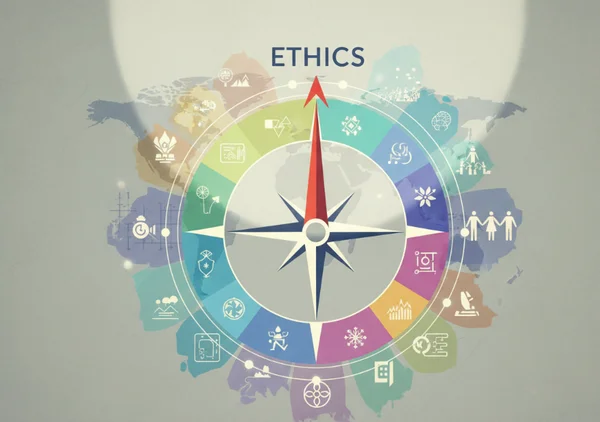
In this article, we will explore the science of how culture influences our moral reasoning. We will look at real-world examples of ethical dilemmas and provide practical steps for navigating a world of diverse values. As you read on, you'll gain new insights into your own moral framework and see how it fits into the global tapestry of ethical perspectives.
The Science Behind Cultural Moral Differences
Morality is not just a personal choice; it is a social tool developed over thousands of years. Scientists and psychologists have long studied how human groups create rules to survive and thrive. While some basic instincts are universal, the way we apply them varies wildly across borders. This is because our brains are wired to learn the "moral language" of the people around us, much like we learn our mother tongue.
Research suggests that our environment dictates which ethical "muscles" we exercise the most. For example, a person raised in a high-risk environment might value loyalty and protection above all else. Meanwhile, someone in a stable, wealthy society might prioritize individual expression. This isn't a matter of one being "better" than the other. Instead, it shows how humans adapt to their specific social needs.
Moral Foundations Theory Across Cultures
One of the most respected frameworks in this field is Moral Foundations Theory. Developed by psychologists like Jonathan Haidt, this theory suggests that human morality is built on several "intuitive foundations." These include Care/Harm, Fairness/Cheating, Loyalty/Betrayal, Authority/Subversion, and Sanctity/Degradation. While every human has these foundations, different cultures "turn up the volume" on some while "turning down" others.
In many Western cultures, the "Care" and "Fairness" foundations are often the most dominant. People focus heavily on individual rights and preventing harm to others. However, in many Eastern or Southern cultures, "Loyalty," "Authority," and "Sanctity" may carry equal or even greater weight. To see which foundations drive your own decisions, you can try our tool and get a personalized breakdown of your moral pillars.
How Cultural Values Shape Ethical Frameworks
An ethical framework is the internal logic we use to justify our actions. Culture provides the "data" that feeds into this logic. For instance, some cultures operate under a "guilt-based" framework, where the internal conscience is the primary judge. In contrast, "shame-based" cultures focus on social harmony and how one's actions reflect on the family or community.
These frameworks determine how we view concepts like justice and mercy. In a society that values "Universalism," the rules are the same for everyone, regardless of the situation. In "Particularist" societies, the context and the relationship between people matter more than a cold, hard rule. Understanding these frameworks helps us realize that a person’s "strange" decision might actually be perfectly logical within their own cultural system.
Real-World Examples of Cultural Moral Dilemmas
To understand these abstract concepts, we must look at how they play out in real life. Moral dilemmas are situations where two or more values come into conflict. When people from different cultures face the same dilemma, they often choose different paths. This is not because one person is "bad," but because they are prioritizing different virtues.
Consider a workplace scenario where a manager discovers that an employee is struggling with a personal crisis and has made a mistake. A manager from one culture might prioritize "Fairness" and discipline the employee to maintain a standard. A manager from another culture might prioritize "Care" or "Relationship" and overlook the mistake to support the person. Both believe they are doing the right thing.
Collectivism vs. Individualism in Ethical Decision-Making
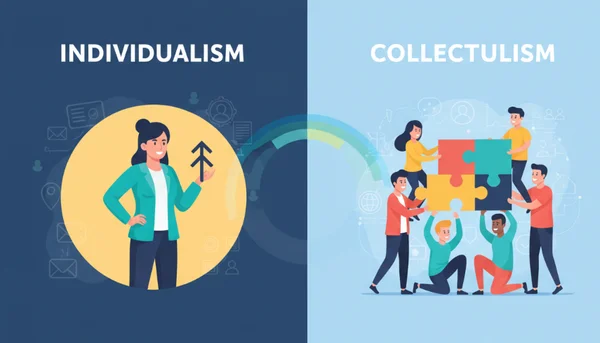
The divide between collectivism and individualism is perhaps the biggest factor in global ethics. Individualist cultures, common in North America and Western Europe, emphasize personal autonomy. Success and morality are often seen through the lens of individual achievement and rights. When making a decision, the primary question is often, "How does this affect me and my goals?"
Collectivist cultures, common in Asia, Africa, and Latin America, prioritize the group’s well-being. The "group" could be a family, a company, or a nation. In these societies, a "moral" person is one who fulfills their duties to others and maintains social peace. When you use the tool on our site, you can discover if your tendencies lean more toward individual freedom or communal responsibility.
Different Perspectives on Honesty, Loyalty, and Authority
The value of "honesty" seems universal, but its application is very cultural. In some cultures, "radical honesty" is the highest virtue. Being blunt is seen as a sign of respect and integrity. However, in other cultures, "saving face" is more important. In these contexts, telling a "white lie" to avoid embarrassing someone is considered the more moral choice.
Loyalty and authority also fluctuate. In some societies, questioning a leader or a parent is seen as a moral duty to ensure accountability. In others, showing public disagreement with an authority figure is a grave moral failing. These differences often lead to misunderstandings in international business and diplomacy. Recognizing these patterns allows us to communicate more effectively without causing accidental offense.
Developing Cultural Intelligence in Moral Reasoning
As our world becomes more connected, we need a new skill: Cultural Intelligence (CQ). Cultural Intelligence in ethics is the ability to recognize, respect, and navigate different moral systems. It does not mean you have to give up your own values. Instead, it means you learn to see the "why" behind someone else's behavior.
Developing this intelligence requires an open mind and a bit of study. It involves moving away from "judgment" and moving toward "curiosity." When you encounter a behavior that seems wrong or confusing, ask yourself: "What value is this person trying to protect?" This shift in perspective can transform a conflict into a learning opportunity.
Recognizing Your Own Cultural Moral Biases
We all have "blind spots." Because we are born into a specific culture, we often assume our way of thinking is "natural" or "obvious." This is known as ethnocentrism. To grow, we must identify these biases. For example, you might realize you automatically distrust people who don't make eye contact, even though in their culture, avoiding eye contact is a sign of respect.
Self-reflection is the best tool for identifying these biases. Taking a comprehensive moral test can reveal these hidden patterns in how you judge others. Think about your strongest moral convictions. Where did they come from? Were they taught by your parents, your school, or your religion? By analyzing your own history, you can start to see your values as one perspective among many. To help with this reflection, you can view your report after completing our assessment to see your results mapped out clearly.

Navigating Moral Disagreements Across Cultures
When a moral disagreement happens, the goal should be "bridging," not "winning." Here are three steps to navigate these tough moments:
- Acknowledge the Difference: Don't pretend the conflict isn't there. State clearly that you see a difference in perspectives.
- Find Common Ground: Most cultures value things like safety, family, and respect. Find the shared value that sits underneath the disagreement.
- Negotiate a "Third Way": Instead of forcing one person to change, look for a compromise that respects both cultural backgrounds.
This process is vital for leaders, educators, and anyone living in a diverse community. It builds trust and ensures that everyone feels heard. The more we practice this, the more we develop a truly global moral compass.
Embracing Diversity: Your Next Steps in Understanding Cultural Ethics
Think of your moral compass not as a fixed instrument, but as something that evolves with you—shaped by the cultures, experiences, and people who have influenced you along the way. We have seen how science explains our differences, how real-world dilemmas test our values, and how cultural intelligence can help us bridge the gap. Embracing cultural diversity doesn't mean losing your identity; it means expanding your understanding of what it means to be human.
The journey to understanding your ethical core is ongoing. By learning about the cultural roots of your beliefs, you become a more empathetic friend, a more effective professional, and a more self-aware individual. Are you ready to see where you stand on the global stage?
To get a deep, AI-powered analysis of your own ethical framework, visit our homepage. It is time to discover your core and see how your unique background has built the person you are today.
FAQ Section
How does culture influence our moral values?
Culture acts as a training ground for our ethics. From a young age, we observe what our society rewards and what it punishes. These observations form our "moral intuition." While we might think we are making independent choices, we are often following a cultural script that prioritizes certain values, like individual freedom or social harmony, over others. You can take the test to see which scripts you are following.
Are there universal moral values across all cultures?
Yes, researchers have found that almost every culture values some form of "The Golden Rule"—treating others as you wish to be treated. Most societies also have rules against unprovoked killing, stealing, and lying within their own group. However, the "circle of concern" (who those rules apply to) and the exceptions to those rules vary significantly between different cultures.
How can I better understand different cultural perspectives on ethics?
The best way is through active learning and exposure. Read books by authors from different backgrounds, travel with an open mind, and engage in meaningful conversations with people who think differently than you. Using tools like a moral assessment can also give you a framework to compare your results with global averages, making abstract differences more visible.
How does cultural intelligence improve moral decision-making?
Cultural intelligence (CQ) allows you to predict how others might react to a decision. It helps you avoid "moral blind spots" where you might accidentally cause harm or offense. In a professional setting, high CQ leads to better team cohesion and more ethical leadership, as you can balance the needs of a diverse group of stakeholders effectively.